 Written by Sara Kurczynska
 Audited by Admin
🔍 71+ Products Analyzed
★ 22k Reviews Evaluated
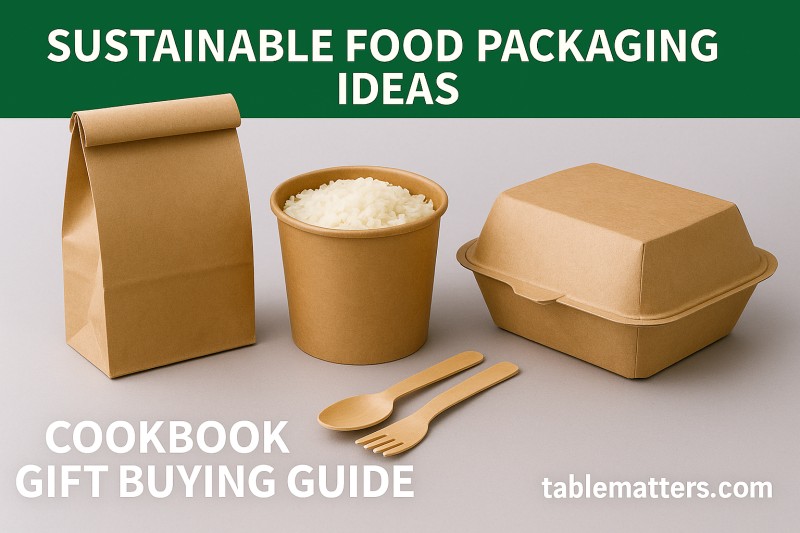
Sustainability is becoming increasingly important to consumers today, especially when it comes to the products they buy. A lot of people are making that switch to more environmentally friendly habits as a way of advocating for the preservation of Mother Earth. That's why food businesses should start considering sustainable food packaging ideas.
Its a widely known fact that most packaging materials that are currently being used aren't environmentally friendly, and this is causing a lot of damage to the planet. This is something that needs to change, and change starts with you.
Here are eleven of the best sustainable food packaging ideas that your business should consider:
1. Using Eco-Friendly Printing Methods for Packaging
One of the ways businesses can be more eco-friendly is by using eco-friendly printing methods for food packaging. Eco-friendly printing methods use less energy and produce less waste than traditional methods.
Additionally, they often use recycled materials, which helps reduce the amount of waste going into landfills. Eco-friendly printing methods aren't only good for the environment, however. They can also be good for business. Why? Consumers are very much interested in buying from companies with sustainable practices. Therefore, eco-friendly printing methods can help businesses attract and retain customers.
In addition to using eco-friendly printing methods, businesses should consider x-ray inspection services to search for defects, contaminants, or irregularities on their packages. X-ray inspection is a non-destructive testing method that can identify a wide range of potential problems. Businesses can use this service to ensure that their products are high-quality and safe for consumers.
2. Sourcing Recycled Materials
Recycled materials are increasingly used in food packaging due to their many benefits. Using recycled materials can help reduce costs and packaging waste for businesses. Furthermore, recycled packaging is often just as strong and durable as packaging made from new materials, making it a reliable option for protecting food products.
Additionally, recycled packaging often has a lower carbon footprint than traditional options, an important consideration for businesses looking to reduce their environmental impact. Ultimately, using recycled materials for food packaging is a smart choice for businesses looking to operate more sustainably and cost-effectively.
3. Using Biodegradable or Compostable Materials for Packaging
Using biodegradable or compostable materials for packaging is a good idea that businesses should consider. There are many benefits to using biodegradable materials, including the fact that they're environmentally friendly and can help reduce waste.
Additionally, biodegradable and compostable materials are often cheaper than traditional packaging materials, making them a more cost-effective option for businesses. Finally, using biodegradable or compostable packaging can help businesses improve their public image by demonstrating a commitment to sustainability.
4. Investing in Reusable Packaging
As any business owner knows, packaging is necessary for doing business. It helps protect products and keeps them fresh, while also making your products easily identifiable. However, traditional packaging can also be costly and wasteful. On the one hand, reusable packaging offers a more sustainable and cost-effective alternative.
Reusable packaging can be used repeatedly, which reduces the need for new materials and helps save resources. In addition, reusable packaging is often made from recycled materials, reducing its environmental impact.
Businesses that switch to reusable packaging can also reap some financial benefits. Reusable packaging is often cheaper than traditional packaging in the long run since it doesn't need to be replaced as often. It can also help boost your company's image, as more and more consumers are looking for environmentally friendly options.
5. Using Less Packaging Overall
Businesses should consider using less packaging overall for several reasons. For one, it can help reduce costs. The less packaging a business uses, the less money it'll have to spend on materials.
In addition, using less packaging can also help reduce waste. This is good for the environment on top of helping create a more sustainable business model.
Finally, using less packaging can also help improve customer satisfaction. Customers often prefer products that are packaged in a way that's simple and efficient. Businesses using too much packaging can create an unnecessary hassle for customers and cause them to be dissatisfied with the products.
6. Going for Plant-Based Plastics for Packaging
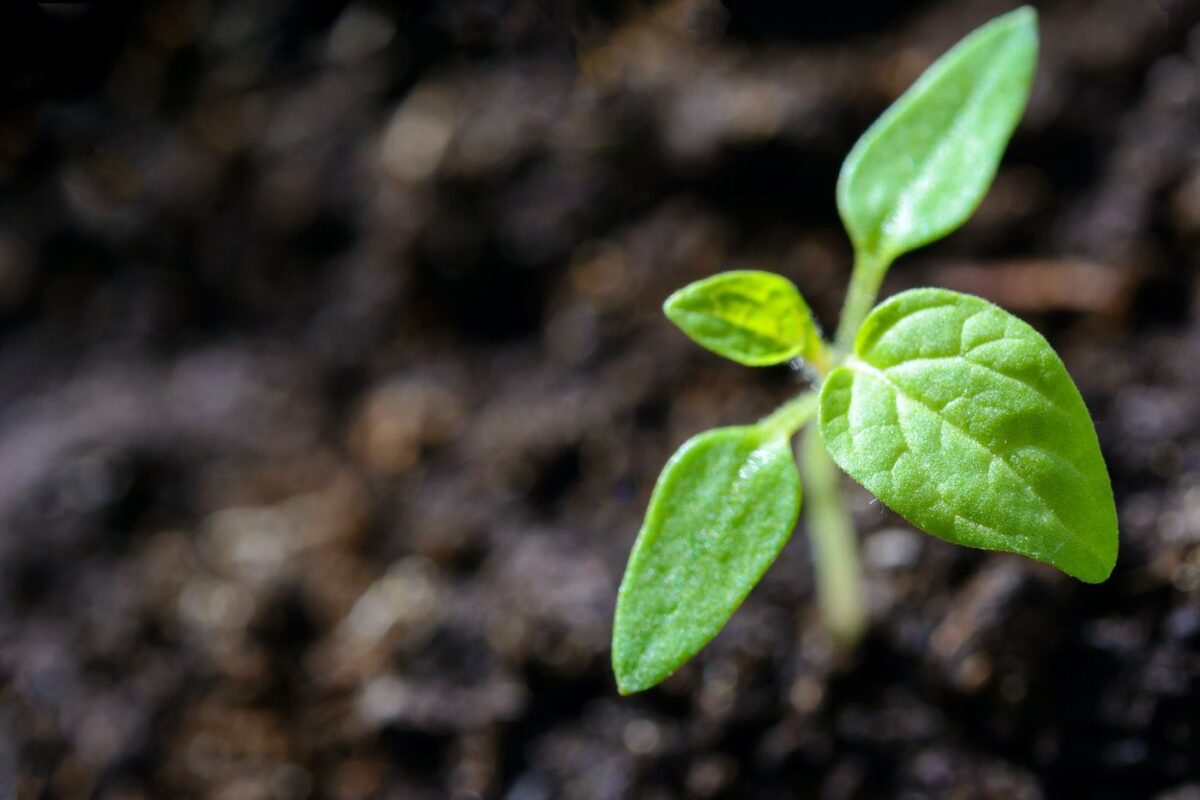
Plant-based plastics are a sustainable alternative to traditional petroleum-based plastics. They're made from renewable resources, such as cellulose from trees, and their production emits fewer greenhouse gases.
In addition, plant-based plastics are biodegradable, meaning bacteria and other organisms can break them down. This is an essential consideration for businesses, as it reduces the environmental impact of their packaging.
7. Using Natural Fibers for Packaging
There are several reasons why using natural fibers for packaging is a sustainable idea that businesses should consider. For one, natural fibers are renewable resources. This means that they can be replenished over time, unlike fossil fuels, which are finite resources.
Additionally, natural fibers tend to be biodegradable. This contrasts with packaging made from synthetic materials, which can take centuries to decompose.
Finally, natural fibers are often more recyclable than synthetic materials. This means they can be reused and reprocessed into new packaging rather than being sent to landfills, where they'll take up space and release harmful chemicals into the environment.
8. Considering Edible Packaging
If you're looking for ways to attract customers while being sustainable, consider using edible packaging. This type of packaging is made from food-grade materials such as chocolate or fruit, and, as its name implies, is safe to eat.
Not only is edible packaging a fun and novel way to package your products, which your customers will surely love, but it's also environmentally friendly. Edible packaging doesn't create any waste as it doesn't use materials that end up in landfills.
9. Going for Food Packaging That Uses Solar Energy to Keep Food Warm
Investing in food packaging that uses solar energy to keep food warm is a cutting-edge idea that businesses should consider. Using solar energy to power food packaging can help reduce your business's carbon footprint. In addition, using solar energy for food packaging can help improve your bottom line by saving you money on energy costs.
While this kind of packaging won't be useful for any late-night deliveries, for daytime applications, it's an inventive and forward-thinking solution that will make your product memorable for your customers.
10. Consider Upcycled Packaging Materials
Upcycled materials are used items turned into something new. This could mean transforming cans into an art project or using shredded paper waste to replace packaging peanuts. The key to upcycling is that the new item created must be of better quality or higher value than the original item. Considering upcycled packaging materials is sustainable because it reduces waste and saves energy, as well as creates jobs.
When businesses use upcycled packaging materials, they reduce the amount of waste that goes into landfills. In addition, using upcycled materials requires less energy to create than new materials. This is because collecting, sorting and cleaning the materials has already been done.
Finally, considering upcycled packaging materials supports the environmentally friendly goal of creating a circular economy. In this type of economy, businesses aim to keep resources in use for as long as possible and then recycle them when they can no longer be used. This helps reduce pollution and conserve natural resources.
11. Keeping The Packaging Simple
Say, for example, you're lucky to have killer recipes that your customers love. In this case, it might be tempting to go all out on the packaging and design something flashy and eye-catching. However, doing this can be counterproductive as it can make your products seem more expensive than they are.
Instead of going for over-the-top packaging, why not keep things simple? Use high-quality materials and print your logo in an understated but still recognizable way. This will give your customers the impression that you're a quality business that doesn't need to rely on gimmicks to sell its products.
Additionally, keeping your packaging simple will help reduce your environmental impact, as it means fewer resources and less waste. So, if you're looking for a sustainable way to package your products, keeping things simple is a great option.
Conclusion
These are just a couple of the different sustainable food packaging ideas businesses should consider. By making some simple changes, businesses can reduce their impact on the environment and save money at the same time. So why not give some of the ideas mentioned a try? You might be surprised at how easy and effective they can be.
View More in:
Why Trust Us?
Meet Our Kitchen Experts
At TableMatters.com, we’re committed to providing reliable, research-backed expert cooking tips and honest cookware reviews you can trust. Our content is created by trained chefs, experienced food writers and kitchen equipment experts who test recipes, compare tools and analyze ingredients with real-world accuracy.
Whether you’re searching for reliable vegetarian meal ideas, step-by-step cooking guides or detailed product comparisons, TableMatters.com provides expert-driven, easy-to-follow content designed to help every home cook cook smarter, eat healthier and enjoy better results.