 Written by Jared Kent
 Audited by Admin
🔍 94+ Products Analyzed
★ 11k Reviews Evaluated
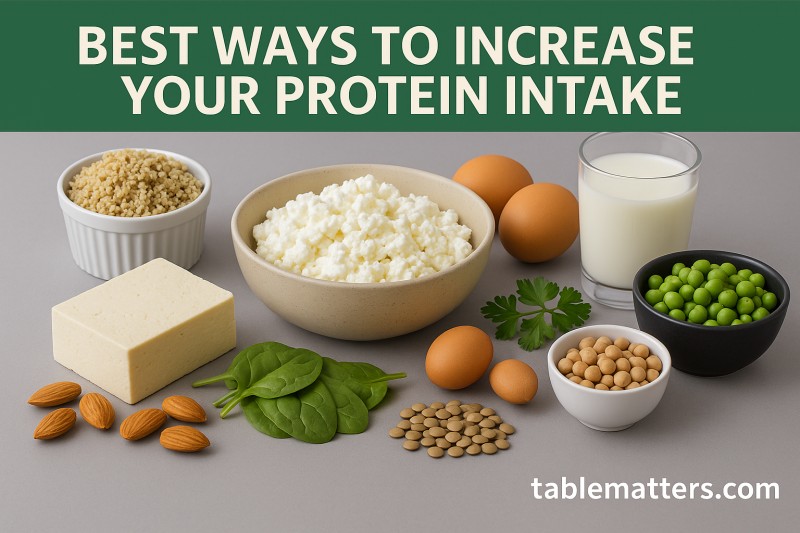
Ensuring you eat a high amount of protein is essential if you want to gain muscle mass.
While animal products are high in protein, they aren't the only dietary source of amino acids. Even if you're following a vegetarian diet, you can still achieve a high intake of protein each day and reach your fitness goals.
Studies indicate that a vegetarian diet can supply more than adequate protein and amino acids. A diet that is rich in plant-based foods that are high in protein, such as legumes, nuts and seeds is unlikely to leave you protein deficient.
However, as a vegetarian, you need to monitor your diet more closely than your meat-eating friends to ensure you are fuelling your body with enough protein.
This is for two reasons:
- Plant-based proteins tend to have a lower bioavailability than those ingested from animal products. Bioavailability refers to the amount of protein in the food source that gets absorbed into the bloodstream and used by the body.
- Plant proteins are often incomplete, meaning they don't contain the full range of essential amino acids that your body requires to grow and repair muscle tissue. Plant-sourced proteins can be particularly low in leucine and lysine.
To combat these issues, I've put together a list of 7 tips to help you increase your protein intake while on a vegetarian diet.
1. Combine Incomplete Protein Sources
Most vegetarian sources of protein are incomplete, meaning one or more essential amino acids is either completely missing or found in very low amounts. However, you can still obtain all of the essential amino acids without eating meat and fish by eating a combination of different protein sources at once.
For example, beans and lentils are high-protein foods that are appropriate for vegetarians. They are high in lysine but low in tryptophan. Pairing these foods with high-tryptophan protein sources, such as grains can help to balance out your meal so that you are getting a complete range of essential amino acids.
2. Consume Organic Soy-Based Products
Soy is one of the few plant-based proteins that contain all of the essential amino acids (i.e. it is a complete protein).
Soy contains 90% protein as well as high levels of B vitamins, zinc and vitamin D. The B vitamins help to boost your energy levels and brain function, which can contribute to better performance inside and outside the gym. Zinc and Vitamin D are required for immune function and bone health, so you can keep infections at bay and stay as healthy as possible.
You can take soy via soybean products, such as tofu, tempeh and edamame or as soy protein supplements.
Its important to buy certified organic non-GMO soy products since soy is one of the most common genetically modified crops, its likely you're going to get a GMO product if you don't specifically look at the label when buying.
According to the protein digestibility-corrected amino acid score (PDCAAS), soy protein is equivalent to animal protein with a score of 1.0, which is the highest possible rating. This makes it one of the best protein sources for those with a dairy intolerance or those following a plant-based diet.
Studies show that eating soy-based protein in the morning may also have positive effects on your gut microbiota, which contributes to improved metabolism and immunity.
3. Eat a High Protein Breakfast
Choosing a high-protein breakfast starts your day off on the right note and instantly helps you to increase your protein intake.
High protein breakfast ideas include:
- Greek yogurt
- Scrambled or poached egg on toast
- Scrambled tofu on toast
- Protein oats
- Protein pancakes
- Chia seed pudding
4. Choose High Protein Toppings For Your Meals
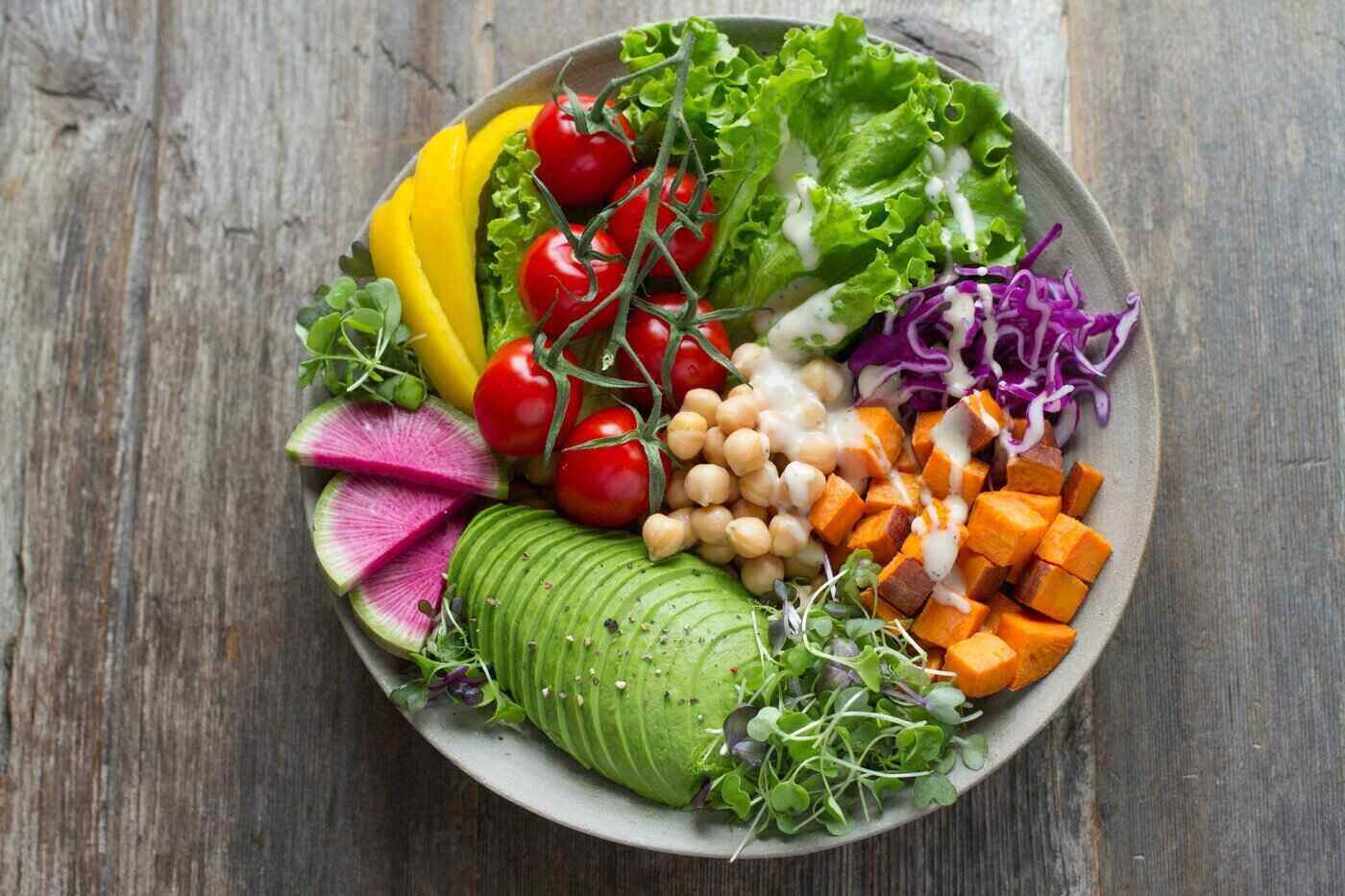
Including high protein additions in your meals can increase your overall protein intake without making you feel too full. Plus, they can add extra flavour and texture to your food.
Adding nuts or edamame beans onto your stir fry or salad can increase the overall protein content of your meal. Nuts and soy protein contain healthy plant-based fiber that can improve heart health.
Other high-protein toppings include seeds:
- Flax seeds - 5 grams of protein per tbsp
- Chia seeds - 4.7 grams of protein per oz
- Pumpkin seeds - 5 grams of protein per oz
- Sunflower seeds - 6 grams of protein per oz
- Nutritional yeast - 15 grams of protein per oz
Sprinkle them onto your yogurt, oats, toast, pancakes and salads. Try to vary your toppings to maximize your amino acid intake.
5. Go For Greek Yogurt Over Standard Yogurts
Greek yogurt contains more protein than other yogurt options, with around 20 grams of protein per 7 oz (200 g) serving.
Greek yogurt also provides beneficial bacteria, such as Lactobacillus bulgaricus and Streptococcus thermophilus. Lactobacillus can help protect your body from chronic diseases like type 2 diabetes and inflammatory bowel disease. Streptococcus can help your body to break down food and absorb nutrients.
Greek yogurt is also packed full of beneficial nutrients such as calcium, phosphorous, potassium and B vitamins. Calcium and phosphorus are required for bone maintenance and strength. Potassium is needed for fluid balance and muscle contractions and is essential to keeping your muscles working efficiently when you're working out and lifting weights.
Here are some great ways to include Greek yogurt into your diet:
- Have a bowl of Greek yogurt with granola, nuts, seeds, and berries for breakfast
- Stir Greek yogurt into your main meals instead of cream or milk
- Add a dollop of Greek yogurt onto your pancakes or waffles
- Add Greek yogurt to your breakfast smoothies or frozen desserts
- Stir Greek yogurt into your ice cream
- Use Greek yogurt to make salad dressings and sauces
- Mix Greek yogurt with whey protein to create a high protein shake
6. Choose High Protein Vegetables
Vegetables aren't the first thing you think about when you're trying to increase your protein intake. However, choosing higher protein vegetables can help you to bump up your daily protein levels slightly.
High protein vegetables include
- Pinto beans - 41 grams of protein per cup
- Chickpeas - 39 grams of protein per cup
- Edamame beans - 17 grams of protein per cup
- Green peas - 8 grams of protein per cup
- Spinach - 5.5 grams of protein per cup
Eat a wide variety of different vegetables to optimize your amino acid and micronutrient intake.
You can eat these vegetables on their own as sides to your main dishes or stir them into your main meals. For example, you can add mushrooms to your stroganoff, mix edamame beans into your salad, or create a veggie stir fry with a mixture of lots of high-protein vegetables.
7. Choose Plant-Based Protein Powder Supplements
If you're struggling to consume enough protein through foods to reach your target, adding protein powder supplements can make a great addition to your diet. Vegan protein powder sources include soy, hemp and pea proteins.
Protein shakes and smoothies are a quick and easy way to increase your protein intake. Most vegan protein powder supplements contain the same amount of protein as dairy-based supplements such as whey protein.
Soy protein isolates are best for their digestibility. They can be broken down and absorbed by the body almost as well as animal proteins because of the way they are produced.
During production, soy protein isolates are treated with heat, which inactivates some of the compounds that usually decrease their digestibility. This makes them easier for your digestive enzymes to metabolize and increases their absorption rate.
Final Thoughts
Contrary to popular belief, you don't need to be a meat-eater to eat lots of protein. Consuming enough protein as a vegetarian might feel difficult at first but its easy to do with some planning and consideration.
Make sure to include a high-quality protein source in every meal and you will be able to consistently hit your daily protein target.
View More in:
Why Trust Us?
Meet Our Kitchen Experts
At TableMatters.com, we’re committed to providing reliable, research-backed expert cooking tips and honest cookware reviews you can trust. Our content is created by trained chefs, experienced food writers and kitchen equipment experts who test recipes, compare tools and analyze ingredients with real-world accuracy.
Whether you’re searching for reliable vegetarian meal ideas, step-by-step cooking guides or detailed product comparisons, TableMatters.com provides expert-driven, easy-to-follow content designed to help every home cook cook smarter, eat healthier and enjoy better results.