 Written by Jared Kent
 Audited by Admin
🔍 70+ Products Analyzed
★ 13k Reviews Evaluated
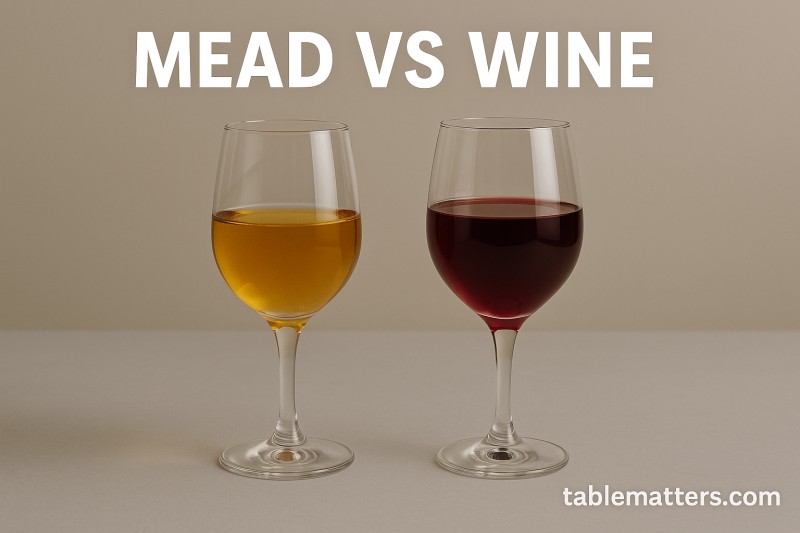
If you've ever watched a movie or read a book in the fantasy genre, you've likely heard references made to sweet mead. This golden elixir seems to be the drink of choice for all the brave warriors that fill our favorite epic tales. But what is this drink really? Is mead just medieval wine for Vikings and knights, or is it an entirely different concoction altogether?
Mead, which is often called honey wine, is the world's oldest alcoholic drink and humankind's first fermented beverage. Its earliest known roots date back to Ancient China, more than 8,000 years ago. References to mead can be found in the texts of the Romans, Greeks, Vikings and numerous other ancient civilizations across the world, all the way through to the Middle Ages and modern day.
Traditional mead is an exceedingly simple drink, consisting of honey, water and yeast, that's been fermented into an alcoholic liquid. From the main ingredient of honey comes thousands of iterations of mead, using many different ingredients and methods to yield drinks with varying levels of sweetness, alcohol content and other characteristics.
Read on to discover more about mead, including its classification, history and varieties and to learn how this ancient drink is still being consumed today.
Is Mead Wine?
Technically, no. Despite the common label of honey wine, mead is not a wine, nor is it a beer or a spirit. Mead is a category unto itself. The reason why mead is not considered a wine is that wine is made only from fermentable sugars in fruit.
Although most wine is fermented grape juice, wine can also come from apples, pears, peaches, strawberries and other fruit juices. In fact, one of the most popular fermented fruit drinks on the market, hard apple cider, is actually classified as a wine for taxation purposes in the United States.
Since mead comes from honey, it does not fit into that definition of wine. Similarly, mead is not considered a beer since beer comes from fermented grains like hops, barley, and wheat.
Also, the brewing process for beer requires the grains to be boiled before fermentation, which is another step mead skips. Finally, because mead is only fermented and not distilled, it is not a spirit either.
Mead vs Wine Differences
Naturally, the biggest distinguishing factor between mead and wine is the primary ingredient used to make each fermented drink. But there are some other key differences, one of which is alcohol content.
On average, mead has slightly more alcohol than wine. While the level of alcohol varies between different meads and wines, most meads fall between 6 and 20 percent ABV (alcohol by volume) whereas wine is about 5 to 16 percent.
Another big difference is time. Some historians predict that mead predates wine by a very long time, possibly thousands of years. This is likely due to the fact that honey-producing bees were around long before traditional agriculture and grape cultivation.
Since mead is made from fermented honey, it generally tends to be amber or golden in color, although some meads can be as dark as maple syrup. Wine has a much more vivid spectrum of colors; wines can be white, red, pink, golden or many other colors, depending on the fruit they were made from.
In terms of taste, many meads are sweet and floral tasting with a thick texture, reflecting the character of the wildflowers that went into making the honey. Wine, on the other hand, has a greater variety of flavors, aromas and mouthfeels than mead because it can be made from so many different grapes and other fruits.
It's also more common for mead to be flavored with different herbs and spices, while most wines get all their flavor from the wine grapes they were made with.
Mead vs Wine Similarities
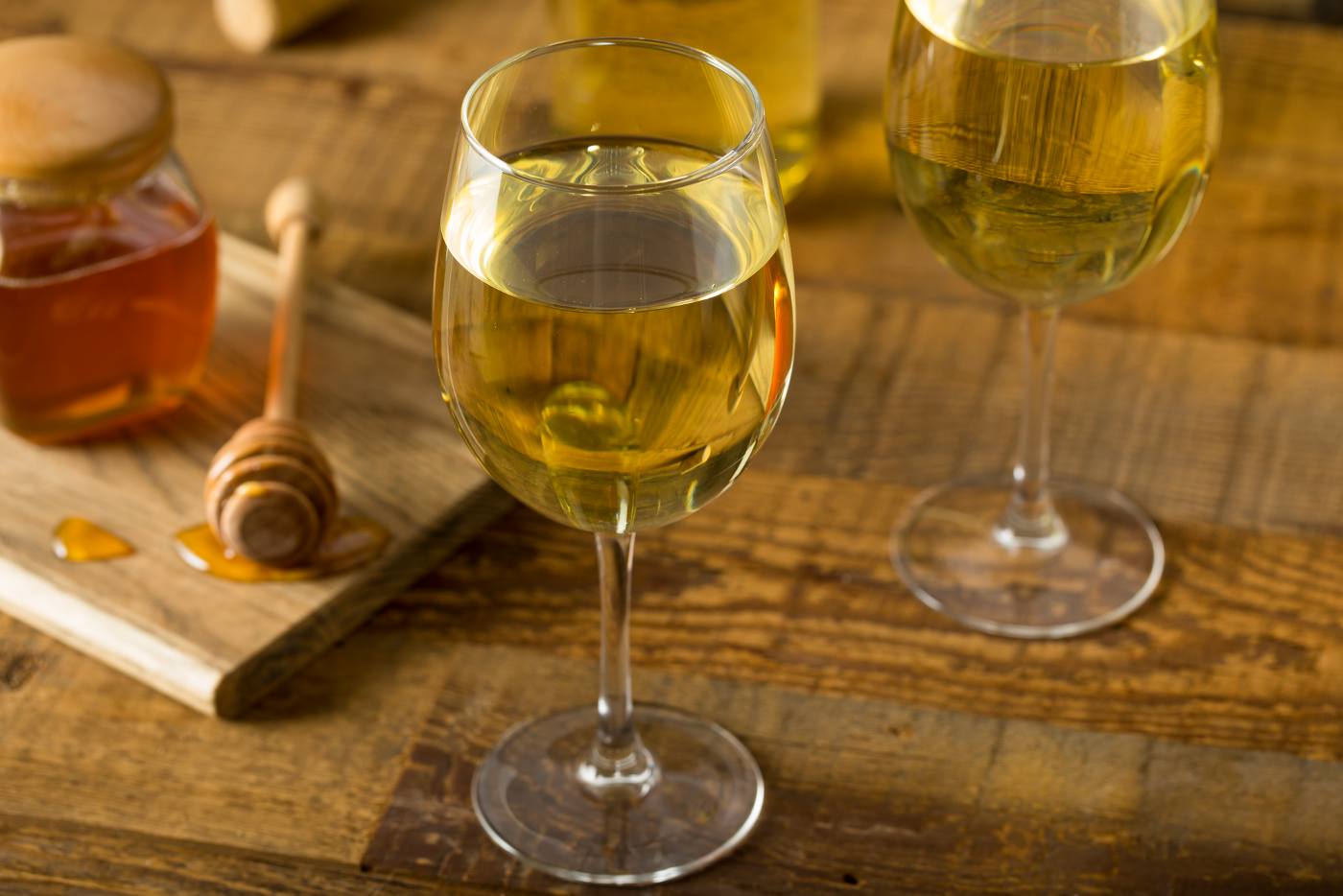
Although it's not technically a wine, mead does share a very similar production method with wine and has many of the same qualities. In terms of taste, viscosity and alcohol content, mead is most similar to a sweet white wine, although different types of mead can vary widely in all of those categories.
Like wine, the characteristics of a glass of mead are largely dependent on the ingredients used. Just as different types of grapes grown in particular kinds of soil or climates yield unique wines, different types of honey lead to distinct-tasting meads.
For example, some meads are made from orange blossom honey, specifically made by bees that pollinate the flowers of orange trees. This mead tends to be brighter and fruitier and has a crisper finish than mead made from clover flowers.
History of Mead
Nobody is exactly sure where or when humans first started drinking mead. The earliest known evidence of mead consumption comes from Northern China, where clay pots from around 7,000 B.C. have been discovered to have held a fermented drink of honey, rice and fruit.
Very, very old records of mead production also come from ancient India. The original Sanskrit texts of the Hindu Rig Veda, written almost 4,000 years ago, mention mead as a celebratory drink.
Others have theorized that mead is over 20,000 years old, originating from Africa and predating all known civilizations. This theory imagines that bees in the bush would nest in the hollows of trees and make honey during the dry season. Then, during the rainy season, the hollows would fill with water and ferment into mead, which the bushpeople collected and later learned how to make themselves.
Other origin theories include natives on the Isle of Crete making mead roughly 8,000 years ago.
Mead in Literature and Mythology
Wherever mead first came from, it is a consistent and integral part of history for many different cultures that span across the world. The ancient Greeks referred to mead as nectar of the gods. They believed mead was the drink of the gods in Olympus, and that it descended from the heavens as dew, which bees would collect and turn into honey.
Given this lore, Greek mythology attributed all sorts of health benefits to mead, including prolonged life, better health and physical strength, improved virility and greater fertility.
Mead was also a popular and revered drink in Viking society. Viking warriors often drank hot mead to warm themselves on chilly Scandinavian nights. It was also believed that mead was the favorite drink of the most powerful Norse god, Odin.
There are even great rulers throughout history who have been buried with mead. Archeologists have discovered evidence of mead in the tombs of King Midas of Phrygia (fitting with everything turning to gold) and King Tut, one of the great pharaohs of ancient Egypt.
Another place where mead shows up constantly is in our favorite stories. The elves in Lord of the Rings drank a rich, golden mead which was believed to bring good health to the drinker. In Harry Potter, the characters drank mulled mead in their free time. Mead also finds its way into more classic literature of English and Celtic mythology, such as the epic poem Beowulf and the Canterbury Tales.
Styles of Mead
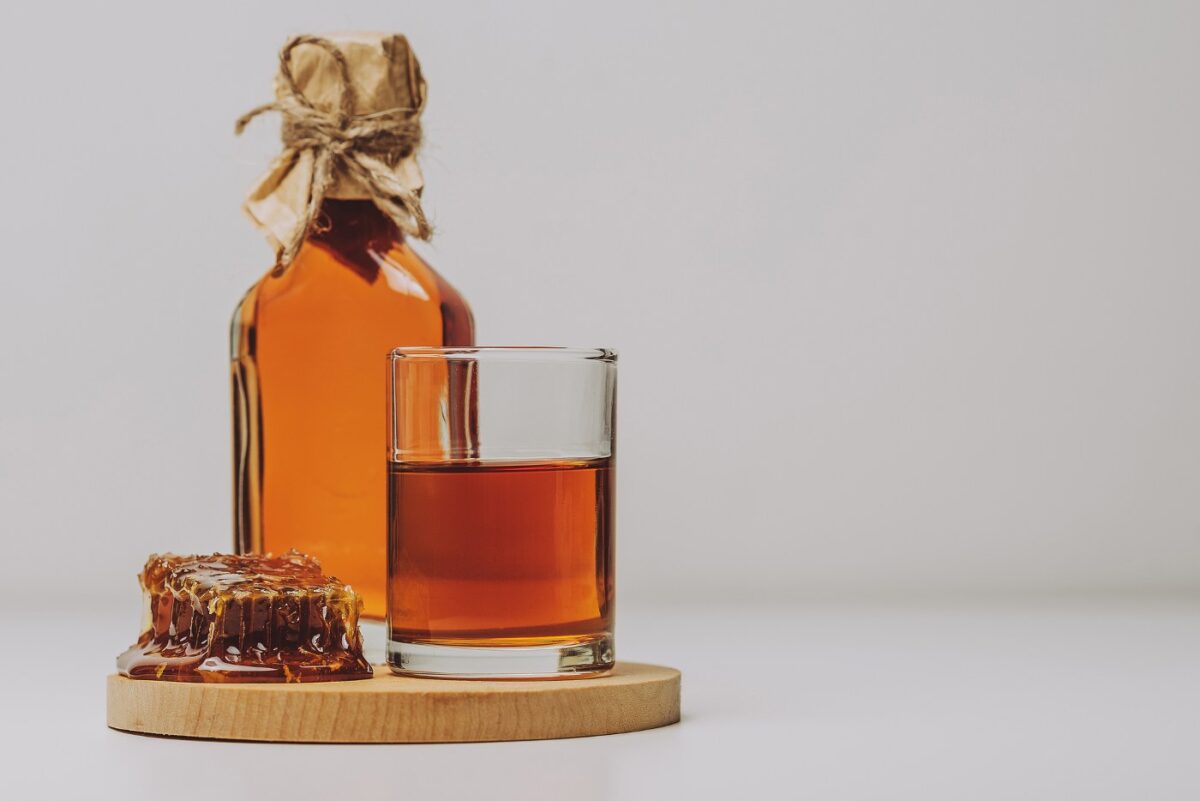
Just like fine wine or craft beer, there exists a range of styles of mead, each with their own unique characteristics. The type of flower that the honey is made from, the herbs and spices infused into the mead and the level of fermentation can all impact the final taste and texture of the mead.
Some meads use caramelized honey to add richness and complexity, other meads will ferment the honey along with fruits like mango, lemon or even jalapeno peppers to add sweetness, tang or spice. Here are some of the main styles of mead.
Basic Mead
Basic mead is simply honey, water and yeast. Some of the best basic meads omit other ingredients because they're designed to showcase the wonderful flavors, aromas, and colors of an exceptional type of honey.
Dry Mead
Despite being made from honey, not all mead is sweet mead. There are, in fact, dry meads, where all of the sugar in the mead has been converted into alcohol over a long fermentation period. Some producers even specialize in dry mead, like Enlightenment Wines Meadery in New York City.
Dry mead isn't quite as tannic as a red wine but drinks more like a dry white wine such as sauvignon blanc. Due to the many months it spends fermenting, dry mead is rich in its complexity with many floral notes and strong influences from any spices or other ingredients.
Since there is no residual sugar, dry meads tend to have higher alcohol contents, sometimes around 18% ABV. It's common to drink dry mead at room temperature.
Short Mead
Short mead, or session mead, is another prominent style. Short mead gets its name from a quick fermentation process. Short meads use less honey, so they ferment quicker and produce a drink with a lower alcohol content, commonly 6-8% ABV. These meads will still have some residual sugar in them.
A short mead could be ready to drink in as little as a month but will lack the complexity of some other meads. Because they have low alcohol content and moderate sweetness, session meads are easy to drink. Short mead is often at its best when served warm, liked a mulled wine. This is a good mead for a first-time drinker.
Sack Mead
Sack mead is generally the sweetest style of mead production. When making a sack mead, the mead makers will use more honey than for other styles, making some of the sweeter meads on the market.
Sack meads take a long time to ferment, and all the extra honey to leads to a thicker, more intense tasting mead with a high alcohol content, typically at least 14% ABV. Sack meads share many of the same characteristics as fine dessert wines, such as a late harvest ice wine even a fortified port or sherry.
Since they take so much honey to produce, sack meads tend to be more expensive, but they're great meads to consume in smaller portions alongside a dessert course.
Mead in Modern Times
Despite being the oldest fermented drink known to humans, mead is not nearly as popular as beer or wine. In recent years, however, it has been making a comeback. Due somewhat to its appearance on series such as Game of Thrones, mead is returning to popular culture. The American Mead Makers Association estimates that since 2003, the number of meaderies in the US has risen 650%.
Today, they predict there are more than 400 active meaderies in the US, with hundreds more coming over the next few years. Mead producers like B. Nektar Meadery in Michigan have been blazing a trail for new mead makers to enter the market and create different flavors for the modern palette.
View More in:
Why Trust Us?
Meet Our Kitchen Experts
At TableMatters.com, we’re committed to providing reliable, research-backed expert cooking tips and honest cookware reviews you can trust. Our content is created by trained chefs, experienced food writers and kitchen equipment experts who test recipes, compare tools and analyze ingredients with real-world accuracy.
Whether you’re searching for reliable vegetarian meal ideas, step-by-step cooking guides or detailed product comparisons, TableMatters.com provides expert-driven, easy-to-follow content designed to help every home cook cook smarter, eat healthier and enjoy better results.