 Written by Jared Kent
 Audited by Admin
🔍 81+ Products Analyzed
★ 18k Reviews Evaluated

If you do enough Mediterranean cooking, you're bound to stumble across a recipe that calls for capers. Capers come in those small jars and almost look like pickled peas. You usually find them somewhere near the olives in the Italian section of the grocery store.
If you're not familiar with them, capers can throw you for a loop. But what are capers, anyways? And how can they help improve your cooking?
What Are Capers Made From?
Capers are made from the unripe buds of the Capparis spinosa plant, a prickly bush that's native to the hot, dry regions of the Mediterranean. Colloquially, this plant is known as a caper bush. Today, they're cultivated in parts of Southern Europe, Turkey, the Middle East, Northern Africa, Australia and California. Italy, Morocco and Spain are the world's largest producers of capers.
To make the capers you most often see in the grocery store, the immature buds of this plant are picked, dried in the sun and pickled in a salty brine with vinegar and sometimes wine. Although it's been adapted to modern times and mass production, the process of pickling capers dates back to ancient times. Capers are even mentioned as a food in the ancient Mesopotamian Epic of Gilgamesh, a story dating back to 2000 B.C.
The buds of the caper bush are very delicate and dainty, meaning that they cannot be machine harvested and have to be picked by hand. Due to the high labor required for such a small bud, capers typically come in very small jars and can often be a more expensive ingredient.
What Do Capers Taste Like?
The pickling preserves the capers and gives them a salty, briny flavor with a bright, citrusy finish. The flavor is like a cross between a lemon and an olive, with a little touch of artichoke as well.
Sometimes capers can also be preserved dry, coming packed in salt rather than in a jar in brine. Because there is no vinegar involved, dried capers have a sweeter, more floral flavor than brined capers. Finding dried capers is more difficult, though most grocery stores don't carry them so you may have to look online.
A jar of capers may not look like much, but capers pack a lot of intense flavor. You don't need to use many to season your dish. Keep in mind that all capers, brined and dry, are very salty, so depending on the dish they're going in, you may want to give them a quick rinse before using.
What are Capers Used For?
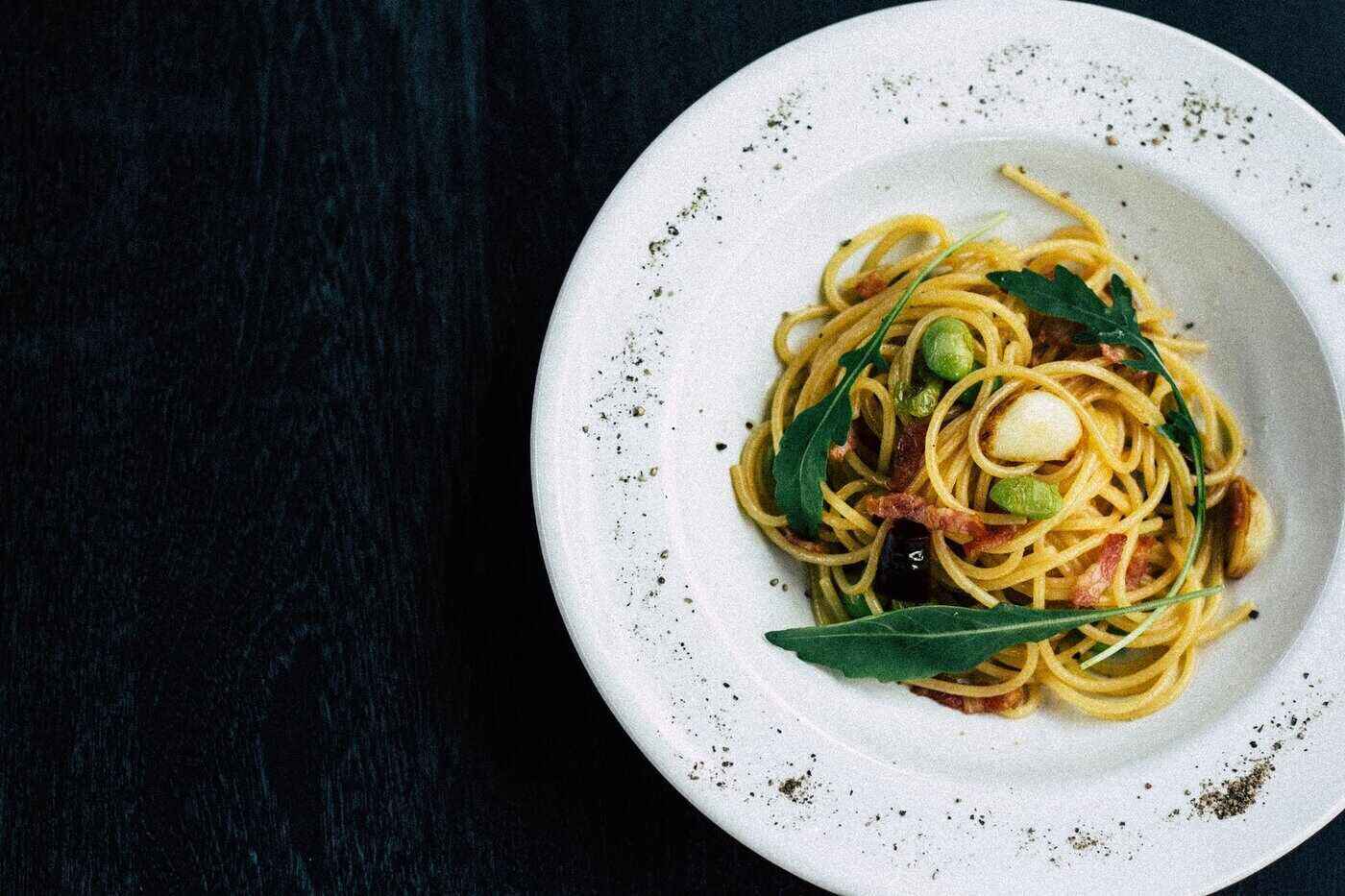
Capers are a versatile staple ingredient in many different Mediterranean dishes. Their salty yet tangy taste helps provide food with a bright pop of flavor.
In Mediterranean cooking, capers can be found in pasta sauces, salad dressings, relishes, compound butters, spreads, pan sauces and much more. They're great in light, summery dishes but can also provide a bright contrast to round out hearty winter soups and stews.
In many cases, capers don't even need to be in a sauce or other condiment; they're delicious just sprinkled on top of roasted vegetables like cauliflower or brussels sprouts. You can even fry capers and use them as crispy, briny topping for pastas and salads, or just eat them as an addicting snack.
Because they have such a fresh and acidic flavor, capers are great to pair with fried foods and other rich, fatty dishes. Here are some ideas for great vegetarian dishes that use capers:
Puttanesca Sauce with Fried Capers over Linguine
Crispy fried capers finish this simple yet hearty pasta dish with a briny crunch (via The Vegetarian Times).
Cauliflower Piccata with Lemon-Caper Sauce
In a vegetarian riff on the traditional Chicken Piccata, the capers flavor a tangy, buttery sauce that pairs wonderfully with the rich pan-seared cauliflower (via Inquiring Chef).
A bright and refreshing twist on traditional hummus, perfect for warm days (via Planted 365).
Roasted New Potato, Lentil, and Kale Salad with Caper Dressing
A citrusy caper vinaigrette adds a vibrant lift to roasted potatoes and tender lentils in this cozy springtime salad (via Happy Hearted Kitchen).
Crisped Baby Artichokes with Caper Aioli
Creamy caper aioli makes a delightful dipping sauce for crispy roasted artichokes (via Martha Stewart).
Capers vs. Caperberries
One important distinction to make is between capers and caperberries. Sometimes you'll hear these terms used interchangeably, but they're not the same thing.
Capers and caperberries do come from the same plant, the caper bush. However, caperberries are the full, ripened fruit of the caper bush, with the stem attached. Capers, on the other hand, are just the unripe bid.
Caperberries are much larger than capers, they're about the size of a green olive while capers are closer to the size of a pea. Like capers, caperberries are also brined in a vinegary solution but have a less intense flavor.
Caperberries do include the stem of the plant and small seeds, which are all edible. You can roast caperberries whole or use them anywhere you would use regular capers, although you may want to chop them up first.
Caperberries also often serve as a garnish in martinis and other cocktails, typically in place of an olive.
Health Benefits of Capers
Capers have very few calories with extremely low amounts of sugar or fat, yet they add tremendous flavor to any dish. They're a good ingredient for anyone trying to enjoy flavorful food while also cutting calories.
Capers also contain a high amount of antioxidants and anti-inflammatories, which can aid in cancer prevention and decreased risk of Alzheimer's. Because they are packed in salt, however, capers can be high in sodium.
When used sparingly, capers are a great addition to a healthy diet.
View More in:
Why Trust Us?
Meet Our Kitchen Experts
At TableMatters.com, we’re committed to providing reliable, research-backed expert cooking tips and honest cookware reviews you can trust. Our content is created by trained chefs, experienced food writers and kitchen equipment experts who test recipes, compare tools and analyze ingredients with real-world accuracy.
Whether you’re searching for reliable vegetarian meal ideas, step-by-step cooking guides or detailed product comparisons, TableMatters.com provides expert-driven, easy-to-follow content designed to help every home cook cook smarter, eat healthier and enjoy better results.