
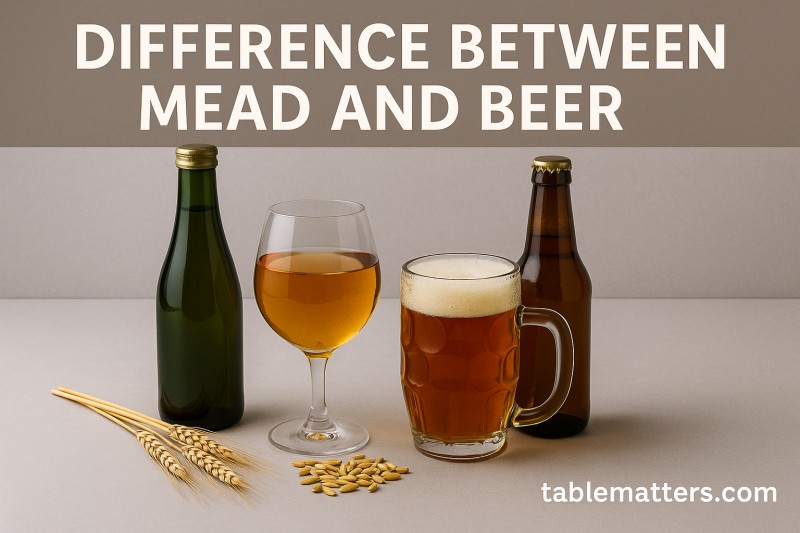
In the vast and varied world of alcoholic beverages, mead and beer hold places of both ancient reverence and modern fascination. While beer is perhaps one of the most universally recognized and consumed drinks across the globe, mead, with its rich historical roots and unique flavors, is experiencing a remarkable renaissance.
Whether you're a seasoned connoisseur or a curious newcomer, understanding the distinctions and similarities between these two beverages will enrich your appreciation and open up new avenues of taste and tradition. Join us as we embark on a comprehensive journey to unravel the intricate tapestry that distinguishes mead from beer, shedding light on each drink's unique contribution to the world of fine alcohol.

Historical Context and Origins
Let's first take a look at where both mead and beer got their starts.
Introduction to Mead's History
Mead, often revered as the ancestor of all fermented drinks, boasts a history that traverses the globe, predating known history. This honey-based alcohol has been discovered in cultures across Europe, Asia, and Africa, with evidence suggesting its consumption thousands of years ago.
Origins in Ancient Cultures Worldwide
The earliest archaeological evidence of mead dates back to 7000 BCE, found in pottery vessels in northern China. Ancient texts and folklore from cultures as diverse as the Greeks, Vikings, and Ethiopians mention mead, highlighting its significance across different civilizations.
Significance in Historical Rituals and Mythology
Mead has been more than a mere drink; it has occupied a central place in rituals, ceremonies, and mythology. The Norse gods were believed to drink mead for strength, and it was often used in Celtic rituals to invoke poetry and prophecy. Mead symbolizes transformation and celebration, intertwined with legends of immortality and power.
Evolution of Mead Over the Centuries
Despite its ancient roots, mead has evolved. The Renaissance period saw it as a staple in European courts, while the 20th century marked its decline with the rise of beer and wine. However, the 21st century is witnessing a mead revival, fueled by the craft beverage movement and an interest in historical and artisanal products.
Introduction to Beer's Historical Journey
Beer's journey is as rich and diverse as human civilization itself. From ancient Sumerians to modern craft brewers, beer has been a constant companion of mankind, evolving through the ages.
Historical Beginnings of Beer Production
The oldest known beer recipe is a 3900-year-old Sumerian poem honoring Ninkasi, the goddess of brewing. This illustrates beer's ancient origins and its cultural significance. Early beers were likely a byproduct of bread-making, as fermented grain mash produced a primitive form of beer.
Beer's Role in Ancient Societies and Economies
In ancient Egypt, beer was a daily staple, consumed by adults and children alike. It was not only a source of nutrition but also a part of religious offerings. In medieval Europe, beer became an economic cornerstone, with monasteries pioneering brewing techniques and contributing to the community's welfare through beer production.
The Development of Beer Styles Over Time
The advent of hops in beer brewing during the medieval period marked a significant turning point, leading to the beer styles we recognize today. The industrial revolution brought advancements in brewing technology, enabling consistent production and the birth of global beer brands. The craft beer movement of the late 20th century introduced a renaissance of beer styles, emphasizing local ingredients and traditional methods.
Fundamental Ingredients
Let's find out what both mead and beer are made of.
Exploring the Basics of Mead Making
At its core, mead is a simple concoction, yet it offers a complexity of flavors. Understanding its fundamental ingredients is key to appreciating the beverage's versatility.

Primary Ingredients: Water, Honey, and Yeast
The essence of mead lies in its simplicity: water, honey, and yeast. Honey's natural sugars are fermented by yeast, producing alcohol and carbon dioxide. The type of honey used significantly influences the mead's flavor, aroma, and color.
Varieties Based on Additional Ingredients
Innovative mead makers have introduced fruits (melomels), spices and herbs (metheglins), and even grain mash (braggots) to create a spectrum of mead varieties. These ingredients not only add complexity but also connect mead to local agricultural traditions.
Impact of Different Honey Types
The choice of honey-whether clover, orange blossom, wildflower, or another varietal-determines the mead's character. Darker honeys produce richer, more robust meads, while lighter honeys result in subtler, more delicate flavors.
The Foundation of Beer Brewing
Beer's diversity and richness are rooted in its fundamental ingredients. Each element plays a crucial role in defining the beer's character.
Core Ingredients: Water, Malted Grains, Hops, and Yeast
Water is the unsung hero of beer, affecting its taste and texture. Malted grains, typically barley, contribute sugars for fermentation and flavors ranging from sweet to nutty. Hops add bitterness to balance the malt's sweetness and provide aroma. Yeast, the workhorse of fermentation, imparts a range of flavors and determines whether the beer is an ale (top-fermenting yeast) or a lager (bottom-fermenting yeast).
The Role of Each Ingredient in Flavor and Fermentation
Each ingredient in beer plays a distinct role. The malt's roast level can influence the beer's color and taste, while the hop variety can shift a beer from floral to citrusy. Yeast strains determine the beer's crispness or fruitiness, underscoring the importance of fermentation in the final product.
Introduction to Adjuncts and Their Purposes in Modern Brewing
Adjuncts-non-traditional ingredients such as corn, rice, fruits, spices, and even coffee or chocolate-have become a staple in modern brewing, especially within the craft beer movement. They are used to add unique flavors, aromas, and textures that cannot be achieved with the four core ingredients alone.
While purists may argue for the purity of the traditional quartet, adjuncts offer brewers the opportunity to innovate and diversify, meeting the evolving tastes of beer enthusiasts. They can lighten the body of the beer, introduce sweetness, or contribute to the complexity of the aroma and flavor profile, making each brew a unique experience.
Adjuncts also serve practical purposes; for example, rice and corn can be used to brew lighter, more refreshing beers with a lower calorie content. This adaptability has allowed breweries to cater to a broader audience, offering options for those seeking something different from the standard fare. The use of adjuncts has led to the creation of entirely new beer styles and has been instrumental in the craft beer industry's growth, illustrating the dynamic and evolving nature of beer production.
Fermentation Process
Let's determine how both beer and mead are made.
Understanding the Mead Fermentation Process
Mead's fermentation is a marvel of simplicity and tradition. The process begins with mixing honey with water, creating a must - the base of mead. Yeast is then introduced, initiating fermentation by converting the sugars in honey into alcohol and carbon dioxide.
Timeframe for Fermentation and Aging
The fermentation of mead can vary widely, from a few weeks to several months, depending on the desired alcohol content and the yeast used. Aging mead can further develop its flavors, with some meads benefiting from years in the bottle, much like fine wines.
Impact of Fermentation Variables
Variables such as temperature, yeast strain, and the ratio of water to honey can drastically affect the outcome. Cooler fermentation temperatures generally produce meads with more refined flavors, while the choice of yeast can influence everything from the speed of fermentation to the mead's final taste profile.
The Beer Brewing Process
Brewing beer is a complex dance of chemistry and timing. It begins with malting, where grains are soaked, germinated, and dried. The malt is then mashed with water to extract sugars, creating wort. The wort is boiled, during which hops are added for bitterness and flavor. After cooling, yeast is introduced for fermentation, transforming the sugary wort into beer.

Variations Among Beer Styles
Fermentation practices differ markedly among beer styles. Ales ferment at warmer temperatures, leading to a shorter fermentation period and fruitier flavors. Lagers require colder temperatures and longer fermentation times, resulting in cleaner, crisper beers. The choice of yeast and fermentation conditions gives brewers a wide palette to create diverse beer styles.
Role of Hops
Hops play a crucial role not just in flavoring but also in the preservation of beer. They contribute bitterness to balance the sweetness of the malt, offer floral, citrus, or herbal aromas, and have antibacterial properties that favor the growth of beer-friendly yeast.
Flavor Profiles and Varieties
Let's discuss what the different types of mead and beer are, and what they taste like.
Mead's Flavor Notes
Mead's flavor profile is as diverse as its ingredients, ranging from sweet to dry, still to sparkling, and everything in between. The primary taste notes often include the floral, fruity, or earthy characteristics of the honey used, complemented by any additional ingredients.
Varieties of Mead
Mead comes in various styles, including:
- Traditional mead, made purely from honey, water, and yeast.
- Melomel, which includes fruit for additional flavors.
- Metheglin, spiced or herbed mead.
- Cyser, a blend of honey and apple juice. Each variety offers a unique tasting experience, influenced by the specifics of its composition.
Influence of Fermentation and Ingredients
The length of fermentation and the nature of the additional ingredients can significantly affect mead's taste. Longer fermentation times typically result in dryer meads, while the inclusion of fruits, spices, or herbs can introduce a complex array of flavors and aromas.
Beer's Flavor Spectrum
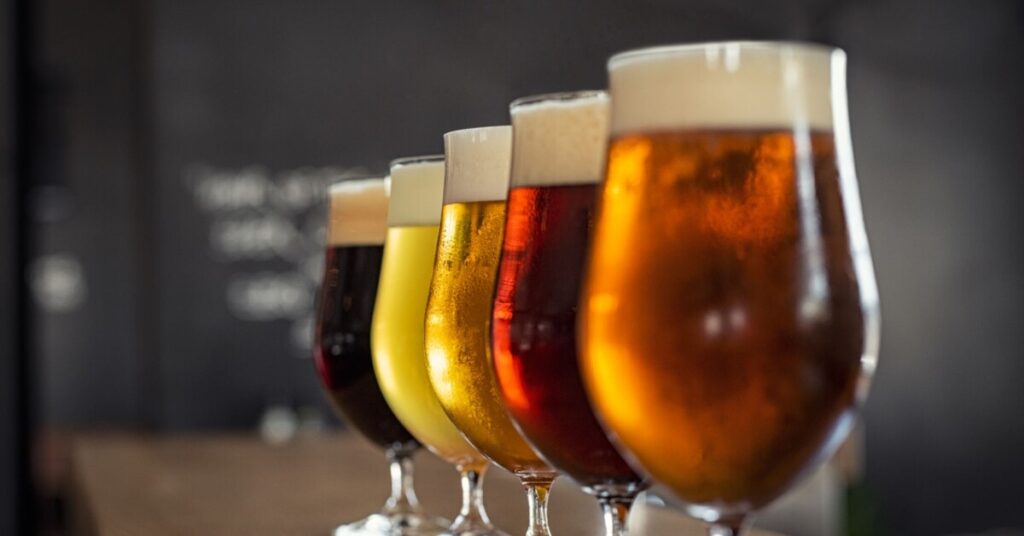
Beer's flavors span a broad spectrum, influenced by its malt, hops, yeast, and any adjuncts. Beers can range from bitter to sweet, light to dark, and simple to complex, with countless nuances in between.
Highlighting Major Beer Styles
Key beer styles include:
- Ale, known for its fruity and complex flavors.
- Lager, offering a cleaner and crisper taste.
- Stout, dark and rich with notes of coffee and chocolate.
- IPA (India Pale Ale), characterized by its strong hop flavor and higher bitterness. Each style represents a unique expression of brewing traditions and ingredients.
Brewing Techniques and Regional Flavors
Brewing techniques and regional differences contribute significantly to beer's diverse flavors. Water composition, local ingredients, and traditional brewing methods can result in distinct regional beer styles, from the smoky Rauchbiers of Bamberg to the sour Lambics of Belgium.
Cultural Significance and Modern Revival
What is the cultural significance of both beer and mead?
Mead's Craft Revival
Mead is experiencing a renaissance, driven by the craft beverage movement's embrace of traditional and artisanal products. Modern meaderies are exploring innovative brewing techniques and flavor combinations, bringing mead back into the public eye.
Promoting Mead Through Modern Meaderies
Contemporary meaderies play a pivotal role in mead's resurgence, educating consumers about its history and versatility while offering a wide range of styles. These establishments are at the forefront of mead's modern revival, championing its place in the craft beverage industry.
Cultural Festivals and Mead
Mead has found a place in cultural festivals and events, from Renaissance fairs to craft beverage expos, celebrating its heritage and introducing it to new audiences. These gatherings highlight mead's cultural significance and its enduring appeal.
Beer's Global Presence and Cultural Impact
Beer has cemented its status as a global beverage with deep cultural roots spanning centuries. Its versatility and variety have made it a staple in many societies, celebrated in countless festivals, traditions, and daily life. From ancient Egyptian bread beer to the craft brews of today, beer's evolution mirrors humanity's own, adapting and flourishing in diverse environments.
The Craft Beer Movement
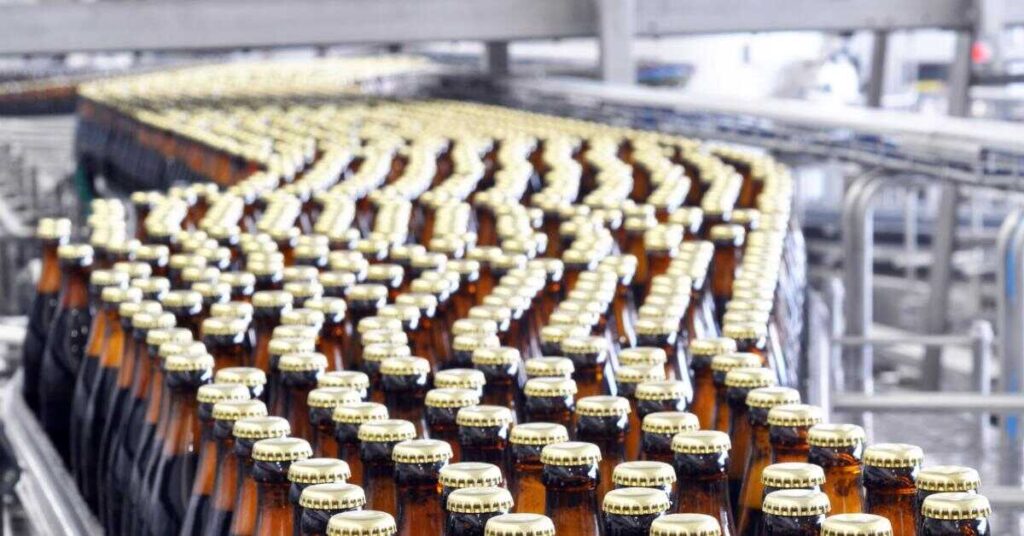
The craft beer movement has played a pivotal role in redefining beer's cultural and taste landscape. This revolution, starting in the late 20th century, has seen a surge in small, independent breweries emphasizing quality, flavor, and traditional brewing methods. Craft brewers experiment with local ingredients, historical styles, and innovative brewing techniques, contributing to an unprecedented diversity in beer offerings and reinvigorating beer's cultural significance.
Global Celebrations and Competitions
Beer's enduring popularity is showcased in its central role in festivals and competitions worldwide. Oktoberfest in Germany, the Great British Beer Festival, and the American Craft Beer Week are just a few events that highlight the universal love for beer.
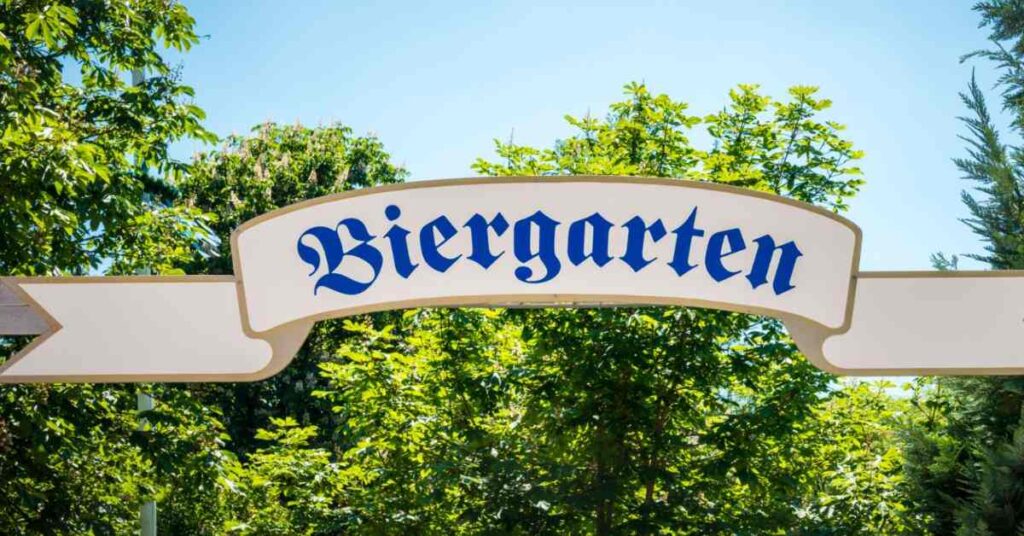
These festivals not only celebrate beer's cultural heritage but also serve as platforms for introducing innovative brews and fostering a global beer community. Competitions within these festivals, such as the World Beer Cup, underscore the craftsmanship and creativity inherent in modern brewing, pushing the industry toward new heights of excellence and diversity.
Serving and Consumption
Let's find out how both mead and beer are best served and consumed.
Optimizing the Mead Experience
Serving mead correctly can significantly enhance its enjoyment. Typically, lighter meads are best served chilled, between 40-50F, similar to white wine, whereas darker, more robust meads can be served slightly warmer. Glassware plays a role too; wine glasses or mead goblets are ideal for appreciating the aroma and flavor profile of mead.
Food Pairing with Mead
Mead's diverse range makes it an excellent companion to a wide array of dishes. Traditional meads pair well with cheeses and fruits, while spiced or fruit-infused meads can complement spicy dishes or desserts. Experimenting with food pairings can unlock new flavor experiences, enhancing both the meal and the mead.
Trends in Mead Consumption
Mead is seeing a resurgence, not just as a standalone drink but also in cocktails and culinary recipes. Mixologists are experimenting with mead in innovative cocktails, blending its unique flavors with spirits and other mixers. This trend towards culinary experimentation opens new avenues for mead's inclusion in modern gastronomy.
Beer Serving Essentials
The serving temperature of beer greatly affects its taste and aroma. Lighter beers, like lagers and pilsners, are best enjoyed cold, around 35-40F, to highlight their crispness. Ales, stouts, and porters can be served slightly warmer to allow their complex flavors to shine through. The choice of glassware from pilsner glasses to snifters can also enhance the beer drinking experience, focusing the aromas and affecting the beer's presentation.
Pairing Beer with Food
Beer's versatility makes it an excellent match for a wide variety of foods. Lighter beers pair well with chicken and seafood, enhancing delicate flavors, while hoppy IPAs can stand up to spicy dishes. Dark stouts and porters are perfect with rich desserts or hearty meats. Experimenting with pairings can elevate a meal, creating harmonious flavor profiles.
Beer in Dining and Social Events
Beer has found its place not only in casual settings but also in fine dining and sophisticated social events. Craft beer tastings and beer-pairing dinners are becoming increasingly popular, reflecting beer's elevated status. Its role in celebrations and gatherings underscores beer's universal appeal and its ability to bring people together.

Production and Economic Impact
Let's take a closer look at what the production of both mead and beer look like, and what their overall economic impact is.
The Mead Industry Today
The mead production industry, though smaller than that of beer and wine, is growing rapidly, fueled by the craft beverage movement. Modern meaderies are exploring new flavors and techniques, contributing to local economies through tourism, employment, and agriculture (particularly beekeeping and honey production).
Economic Contributions
Mead's resurgence has positive implications for local economies, supporting small businesses and promoting sustainable practices. Meaderies often source ingredients locally, supporting farmers and apiarists and encouraging biodiversity.
Challenges and Opportunities
The mead market faces challenges, including regulatory hurdles and market education. However, these challenges present opportunities for innovation and community building, as meaderies work to raise awareness and appreciation for this ancient beverage.
Global Beer Industry
The global beer industry is a significant economic force, with multinational corporations and thousands of craft breweries contributing billions to the global economy. The industry supports a wide range of jobs, from brewing to retail, and plays a crucial role in agriculture, particularly in hop and grain production.

Economic Significance
Breweries, both craft and multinational, significantly impact local and global economies through job creation, tourism, and exports. Craft breweries, in particular, contribute to local economies by revitalizing neighbourhoods and promoting local products.
The Evolving Beer Landscape
The beer industry is in a state of flux, with craft beer's rising popularity challenging larger breweries. This dynamic environment fosters innovation, with breweries exploring new styles, sustainability practices, and marketing strategies to appeal to a changing consumer base.
Homebrewing and DIY Culture
Let's finish things off by looking at how people are making mead and beer at home.
Home Mead-Making
Homebrewing mead is accessible, requiring minimal equipment and ingredients. The process allows for creativity in flavours and styles, making it an appealing hobby for enthusiasts.
Supporting Aspiring Mead Brewers
The home mead-making community is supported by online forums, local clubs, and resources offering recipes, tips, and supplies. This community fosters a culture of sharing and learning, essential for the craft's growth.
Challenges and Tips
While mead-making is straightforward, achieving the desired flavour profile can be challenging. Patience is crucial, as mead benefits from aging. Keeping detailed notes and experimenting with different honeys and additives can lead to successful and rewarding homebrewing experiences.
The Homebrewing Tradition
Homebrewing beer is a popular hobby, with a rich tradition of experimentation and community. The availability of home a wider audience, encouraging beer enthusiasts to explore the craft behind their favourite beverage.
Resources and Community Support
The homebrewing community is robust and welcoming, offering a wealth of knowledge for both novice and experienced brewers. Online forums, social media groups, and local homebrew clubs provide platforms for sharing recipes, troubleshooting brewing issues, and celebrating successes. Retailers specializing in homebrew supplies often host workshops and demonstrations, further supporting the hobbyist's journey.
View More in:
Why Trust Us?
Meet Our Kitchen Experts
At TableMatters.com, we’re committed to providing reliable, research-backed expert cooking tips and honest cookware reviews you can trust. Our content is created by trained chefs, experienced food writers and kitchen equipment experts who test recipes, compare tools and analyze ingredients with real-world accuracy.
Whether you’re searching for reliable vegetarian meal ideas, step-by-step cooking guides or detailed product comparisons, TableMatters.com provides expert-driven, easy-to-follow content designed to help every home cook cook smarter, eat healthier and enjoy better results.